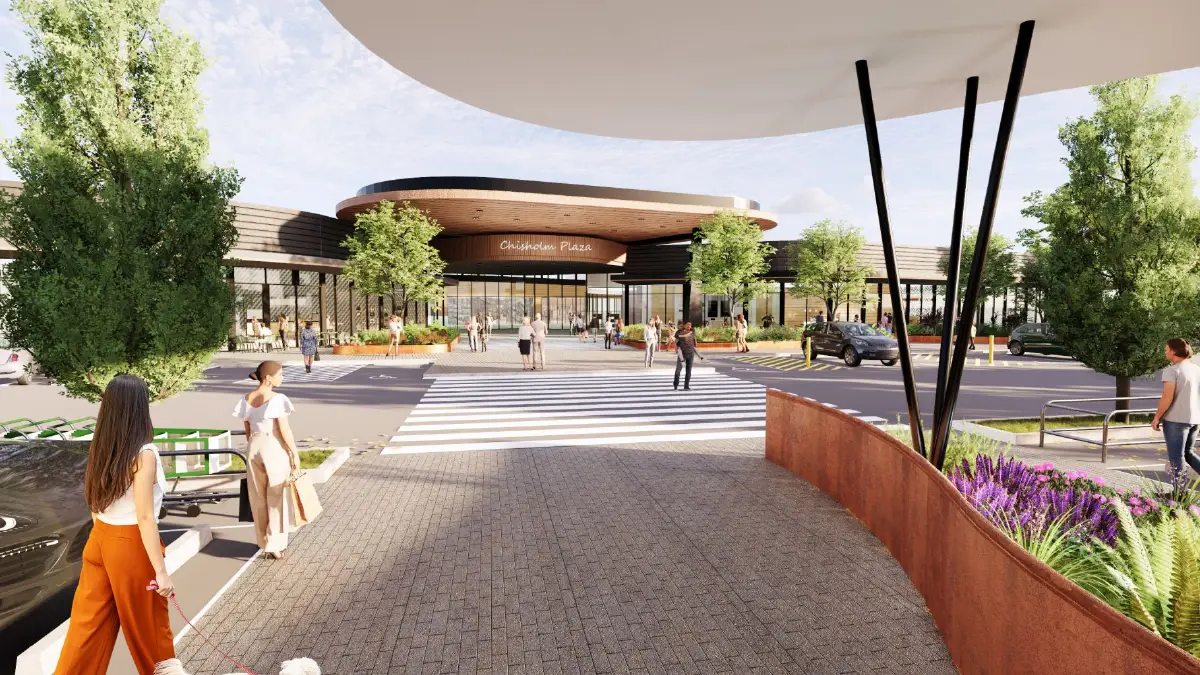
Dan’s, Woolies and Aldi: tenants locked in for new $180m ‘one-stop’ shopping centre
June 17, 2026
Woolworths, Aldi and Dan Murphy's have been confirmed as tenants in a new $180m shopping centre set to open between…
April 9, 2026
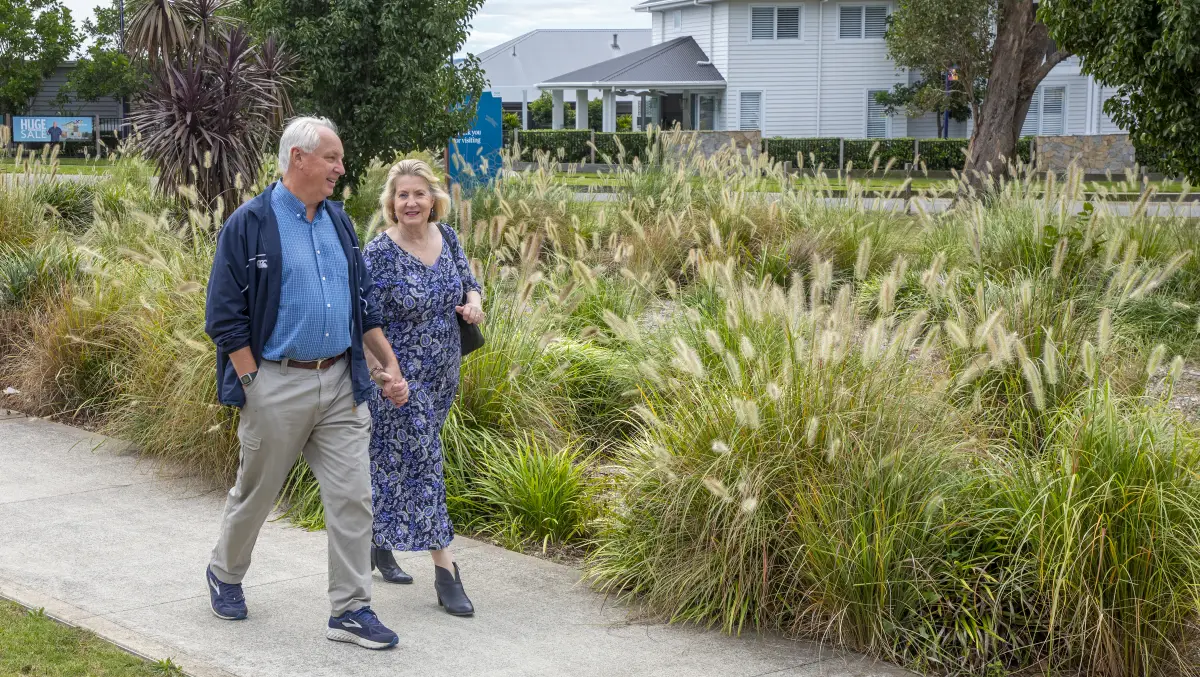
As Maitland’s population continues to grow, a masterplanned development 10 years in the making has reached its final stage.
The Maitland local government area is one of the Hunter Region’s fastest-growing areas, with the population projected to rise from 90,612 in 2021 to almost 135,000 by 2041, according to state government projections.
Maitland City Council’s own figures show the city could eventually exceed 144,000 residents.
Hoping to meet growing demand, the Waterford development in Chisholm has started construction on its final 300-block neighbourhood, named The Haven.
The area of Thornton to Millers Forest, which includes Chisholm, was specifically projected to increase its population by four per cent annually until 2041, growing the population from 15,985 in 2021 to 34,876 in 2041.
This was significantly higher than the state’s annual growth rate of an average of one per cent.
AVID Property Group, the developers of Waterford, said the new neighbourhood was the last opportunity for buyers to secure land in the 2000-block masterplanned community.
NSW general manager Danny Boubli said the development had taken shape over more than a decade, beginning as a greenfield development.
“Over this time, we’ve seen consistent demand for land in Waterford, reflecting how highly regarded Chisholm and the wider Maitland region has become among buyers,” he said.
Mr Boubli said roughly 5500 residents now called Waterford home.
He said masterplanned communities played an important role in meeting the growing region’s future housing and infrastructure needs.
Last year’s Hunter Strategic Regional Integrated Transport Plan found that Thornton and Chisholm had good active transport but lacked connectivity to established town centres or train stations.
Maitland mayor Philip Penfold said while the Chisholm and surrounding areas could withstand further population growth and increased housing developments, it was not feasible without a greater investment from the state and federal governments for infrastructure.
He pointed to introducing better connections down Raymond Terrace Road, the New England Highway and onwards to Newcastle.
“You can’t just sell residential lots, and let it go, you need to pay for significant infrastructure,” Cr Penfold said.
He also said it would be good to connect the Chisholm side of the Metford train station with car parking and an overhead walkway.
Chisholm has seen other new developments in recent years, including the Chisholm Plaza, which began construction January 2025, and was expected to be completed towards the end of 2026.
Property Council Hunter and Central Coast regional director Stephen Crowe said the population of Chisholm-Berry Park area had effectively more than doubled over the past decade as larger greenfield developments launched.
“Chisholm and the broader East Maitland area are among the fastest-growing parts of the Lower Hunter, and that growth is being driven by families and workers looking for affordable housing options close to jobs, services and transport,” Mr Crowe said.
He agreed more housing developments needed to be supported by increased infrastructure, such as road upgrades and exploring the recommissioning of the Cessnock to Maitland rail line.
“Continued population growth in Chisholm will require more than just new homes,” he said.
Urban Development Institute of Australia CEO Stuart Ayres said their members reported strong, sustained sales for greenfield masterplanned communities in Chisholm.
He said the whole Maitland area was well placed to not only meet its five-year housing target of 5300 new homes but could “easily exceed” that if more development-ready land was brought to market.
“Greenfield housing remains the most feasible and affordable way to deliver homes at scale in Maitland and across the Lower Hunter,” Mr Ayres said.
“It provides a lower-cost product, gives buyers the flexibility to secure land now and build over time, and allows developers to stage delivery in line with demand,” he said.
“Chisholm and the broader East Maitland area are among the fastest-growing parts of the Lower Hunter, and that growth is being driven by families and workers looking for affordable housing options close to jobs, services and transport,” Mr Crowe said.
He agreed more housing developments needed to be supported by increased infrastructure, such as road upgrades and exploring the recommissioning of the Cessnock to Maitland rail line.
“Continued population growth in Chisholm will require more than just new homes,” he said.
Urban Development Institute of Australia CEO Stuart Ayres said their members reported strong, sustained sales for greenfield masterplanned communities in Chisholm.
He said the whole Maitland area was well placed to not only meet its five-year housing target of 5300 new homes but could “easily exceed” that if more development-ready land was brought to market.
“Greenfield housing remains the most feasible and affordable way to deliver homes at scale in Maitland and across the Lower Hunter,” Mr Ayres said.
“It provides a lower-cost product, gives buyers the flexibility to secure land now and build over time, and allows developers to stage delivery in line with demand,” he said.
Media release supplied by Newcastle Herald.